
WHAT YOU’LL LEARN
What AI shopping agents are, which ones work in India today, how buyers can use them safely, and what sellers must fix so AI picks their store instead of skipping it.
Level: Beginner Stack: Gemini · AI Mode · ChatGPT · Rufus · Flippi · Super.money · Shopify · WooCommerce
For years, online stores were built for one visitor: a human shopper. In 2026, a second visitor shows up first. It reads every word, compares ten stores in seconds, and never sees your banner.
That visitor is an AI shopping agent. A shopper types “best AI smart glasses under ₹30,000” or “cotton T-shirt that doesn’t shrink” into an AI app, and the AI does the browsing: it reads product pages, compares prices, checks reviews and hands back a shortlist.
So the question for every store changes. Not just “how do humans find my store?” but “will the AI pick my store?”
THE 30-SECOND TAKE
- Shopping agents: AI that searches, compares and, in some cases, buys for you.
- In India today: AI research is everywhere; buying inside the AI is still in testing.
- Buyers: let AI research, but confirm the live price and seller yourself.
- Sellers: if AI can’t read your product page, you don’t exist for AI shoppers.
Read it your way: buyers jump to section 6, sellers to section 7.
YOUR LEARNING PATH
1. What Is a Shopping Agent?
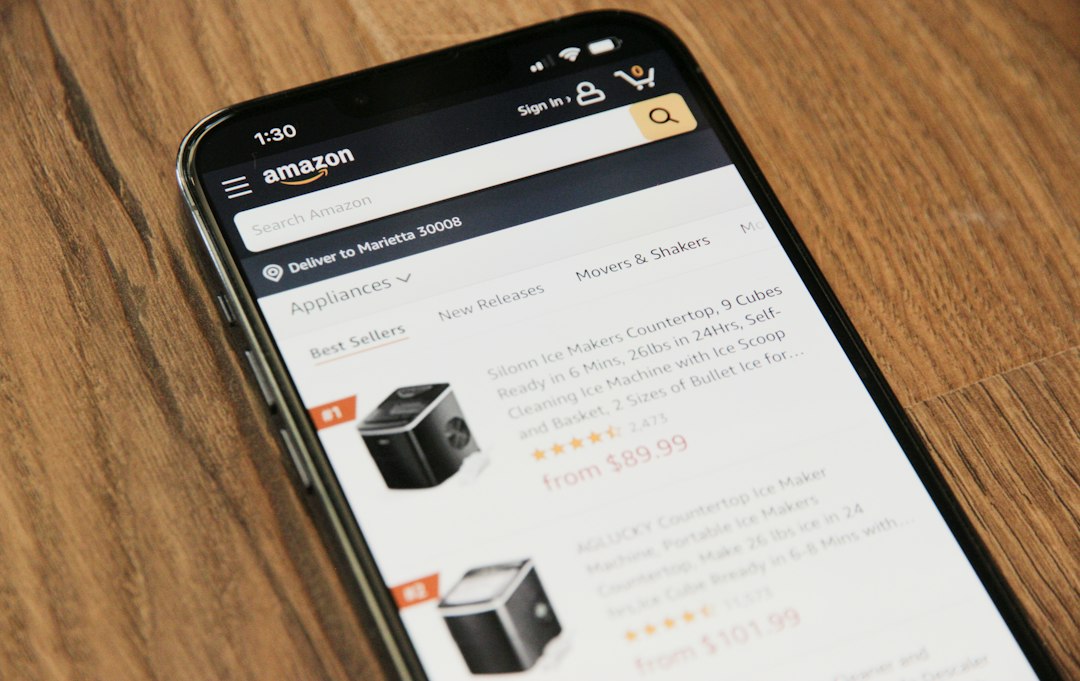
A shopping agent is AI that shops on your behalf. Instead of opening ten tabs, you type or say one sentence with your budget and needs. The agent searches, compares prices, reads reviews and gives you a shortlist with a recommendation.
The difference from a normal chatbot: a chatbot answers questions. A shopping agent acts. It can track prices, fill a cart and, in the newest versions, complete the purchase with your approval.
Level 1 · Recommends: AI suggests, you click to the store
↓
Level 2 · Assists: AI tracks prices, compares offers, fills the cart
↓
Level 3 · Buys: AI checks out for you, with your approval
At every level, the AI first reads product data to decide what to show. A store it can’t read clearly never makes the shortlist.
In short: a shopping agent is a personal shopper that reads every page in seconds.
2. Where It Stands Today
In India, most shoppers are at Level 1. AI is already where many people start their product research. AI apps show product listings with prices and offers, and the shopper clicks through to the store to buy.
INDIA TODAY AT A GLANCE
LIVEAI product research and comparisons
LIVEIn-store assistants and price alerts
TESTINGBuying inside the AI app
Level 3 is just arriving. Google has started testing a Buy button for select Flipkart products inside Gemini and AI Mode, taking shoppers into a Flipkart checkout without leaving the AI. It is a test for some users, with a wider rollout planned around the festive season, so most shoppers won’t see it yet.
Globally, the race is moving fast:
Google · Universal Commerce Protocol
An open standard launched in January 2026 with partners like Shopify, Etsy, Wayfair, Target and Walmart, so AI agents can browse, check out and handle returns with any store. In-AI checkout runs for select merchants in the US, Canada and Australia.
Shopify · Agents can check out
Browser-based AI agents can now complete purchases on eligible Shopify stores, with the buyer’s authorization.
OpenAI · Back to discovery
ChatGPT tried in-chat checkout, then in March 2026 shifted its shopping focus to product discovery, with merchants handling checkout.
This builds on the search shift covered in Why AEO and GEO Matter More Than SEO Alone. AEO gets a brand mentioned. Agentic commerce gets it bought. And UCP works with MCP, the same protocol behind AI connectors, explained in What Is an MCP Server?
In short: AI research is everywhere now; AI checkout in India is in testing.
3. The Shopping Agents to Know
Gemini / AI Mode
Gemini app, Google Search
Compares products across stores. A Buy button for Flipkart is in testing.
ResearchBuy: testing
ChatGPT
ChatGPT app
Shopping research and comparisons. You buy on the store.
Research
Rufus
Amazon app
Natural-language search (even Hinglish), price history and target-price alerts.
Inside Amazon
Flippi
Flipkart app
Recommendations by taste, budget and preference.
Inside Flipkart
Super.money agents
Super.money app
Agents that shop on Flipkart and buy gold at a price you set.
Early
Meesho
Meesho platform
Has started enabling agentic shopping, with safeguards against misuse.
Early
Meta Muse
Meta’s personal AI app
Personal assistant that reportedly topped AI app downloads in the US.
Not yet
Two kinds of agents are worth separating. Store assistants like Rufus and Flippi help inside one store. General agents like Gemini and ChatGPT compare across all stores, and that is where the competition for the shortlist happens.
Watch Meta Muse closely. It isn’t in India yet, but Indian companies are already preparing for it. With WhatsApp and Instagram behind it, it could turn millions of everyday chats into shopping conversations.
In short: store assistants help inside one store; general agents decide which stores make the list.
4. The Numbers Are Growing
In India
92% · Used AI while shopping
Surveyed urban Indian shoppers who used at least one AI tool while shopping in the past month (NIQ, September 2026).
100 million · Weekly ChatGPT users
India became one of ChatGPT’s biggest markets, with about 100 million weekly users by February 2026.
64% · Research products with AI
Indian GenAI users who use it to research brands and products (BCG).
41% · Use AI shopping tools
Indian consumers using AI-driven shopping tools, with another 40% planning to, the highest of all markets studied (Capgemini).
61% · OK with AI completing purchases
Indians comfortable letting AI complete approved purchases, ahead of the Asia-Pacific average (Adobe).
Why stores should care
Adobe tracks more than a trillion visits to US retail sites, and its data shows how fast AI shoppers became valuable:
March 2025 → March 2026 · From worst to best
AI-referred traffic went from converting 38% worse than paid search and email to converting 42% better.
July 2026 · More value per visit
AI-referred shoppers converted about 60% better and brought about 53% more revenue per visit than other shoppers.
One honest note: the India surveys mostly cover online, urban users, not all of India, and the Adobe figures are US data. Saying “I’m comfortable with AI buying” is also different from actually doing it. Today, research with AI is huge; buying through AI is still small, but growing fast.
In short: most Indian online shoppers already ask AI before they buy, and AI shoppers arrive ready to buy.
5. Why AI Skips a Store
Adobe found that even big retail sites are only partly readable by AI: around 63% for cosmetics and 56% for electronics. Small stores usually do worse. The common reasons:
What makes AI pass
Key details hidden inside images instead of text.
Vague titles like “Cool Tee 01” with no material, fit or size chart.
Price, stock or shipping visible only after login or at checkout.
No return policy, or one buried in a footer PDF.
No structured product data for machines to parse.
A human can guess. An AI agent comparing ten stores won’t. It picks the one with complete, clear answers.
In short: if a detail isn’t written down in plain text, the AI acts like it doesn’t exist.
6. If You Are a Buyer: Learn These Agents
Shopping agents save hours, but only when used smartly. A simple routine:
Step 1 · Ask a general agent first
Gemini or ChatGPT compares across stores. Be specific: budget, main use, must-have features.
Step 2 · Use the store’s own assistant
Rufus on Amazon or Flippi on Flipkart for that store’s offers, sizes and reviews.
Step 3 · Set a price alert
Rufus can show price history and alert you when the price hits your target.
Step 4 · Verify, then buy
Open the real product page. Check the final price, the seller name and the return policy before paying.
Watch out for
Old prices: AI may quote last week’s sale price. Always check the live page.
Fake labels: cheap listings sometimes mislabel details, like “pure cotton” that buyers later say is polyester. Prefer known brands and read recent reviews.
Unknown sellers: check who actually sells and ships the item, not just the platform name.
Payments: never share OTPs, card numbers or UPI PINs in any AI chat.
Try it with this prompt:
In short: let AI do the research; keep the final click for yourself.
7. If You Are a Seller: What to Do
AI agents don’t see banners, discount popups or brand colours. They read text and data. If key details are missing, they skip the store and pick the one that answers clearly. The 10-point “sell to AI” checklist:
1 · Write clear titles
Brand + product + key detail. “Unisex Oversized Cotton T-Shirt, 240 GSM, Black”, not “Cool Tee 01”.
2 · Put every spec in text
Fabric, size chart, dimensions, battery, care, what’s in the box. Never only inside images.
3 · Keep price and stock visible
No login walls, no “contact for price”.
4 · Show shipping and returns on the product page
Delivery time, cost and return window, in one short line each.
5 · Add product schema
Structured data for price, availability, brand and reviews. SEO plugins like Rank Math and WooCommerce handle most of it.
6 · Connect Google Merchant Center
Free, and it feeds products to Google Shopping, AI Mode and Gemini.
7 · Collect real reviews
Agents weigh ratings and review counts when shortlisting. Ask every happy buyer.
8 · Add an FAQ per product
Answer the exact questions shoppers ask AI: “Does it shrink?” “Is it true to size?”
9 · Don’t block AI by accident
Check robots.txt. Blocking every AI bot also hides the store from AI shoppers.
10 · Test it monthly
Ask Gemini, ChatGPT and Perplexity for your product type. See who they recommend, and why.
Selling on Flipkart or Amazon too? The same rules apply to listings there. Complete titles, specs and text descriptions help their own assistants, Flippi and Rufus, recommend you.
Audit any product page with this:
In short: write every product page as if a very picky robot is reading it, because one is.
8. The Freelance Opportunity
Most small stores have never heard of agentic commerce. That gap is a service freelancers can offer:
AI shelf audit
Test how a store shows up across ChatGPT, Gemini and Perplexity, then report the gaps.
Product page rewrites
Turn thin listings into complete, AI-readable pages, in bulk with AI help.
Feed and schema setup
Merchant Center, product schema and AI-ready storefront settings.
Next, WorkSmarto plans to test these ideas on its own print-on-demand store trial. For the marketing side, see The One-Chat Marketing Department.
In short: “make your store AI-ready” is a new skill, and few people offer it yet.
9. The Catch
Watch out for
Losing the last touch: when checkout happens inside the AI, the store loses upsells and its brand moment.
New fraud risks: stores must verify which agents act for real buyers.
Region limits: in-AI checkout is mostly US-first and still in testing in India. Readable pages help everywhere, today.
In short: be findable by AI now; decide on in-AI checkout once it reaches your market.
WorkSmarto verdict
Buyers: start with a general agent, finish on the store’s own page. AI researches, you decide.
Sellers: fix titles, specs, price, shipping and returns as plain text this week. Add schema and a Merchant Center feed next. Test monthly.
Watch: in-AI checkout rolling out in India, and Meta Muse arriving on WhatsApp’s home turf.
Final Thought
SEO taught stores to talk to search engines. The next lesson is talking to agents that shop. The good news: the fix is mostly honest, complete product information, the kind human shoppers always wanted too.
AI shoppers aren’t loyal to brands. They’re loyal to clear data.